


MEET CHARLIE
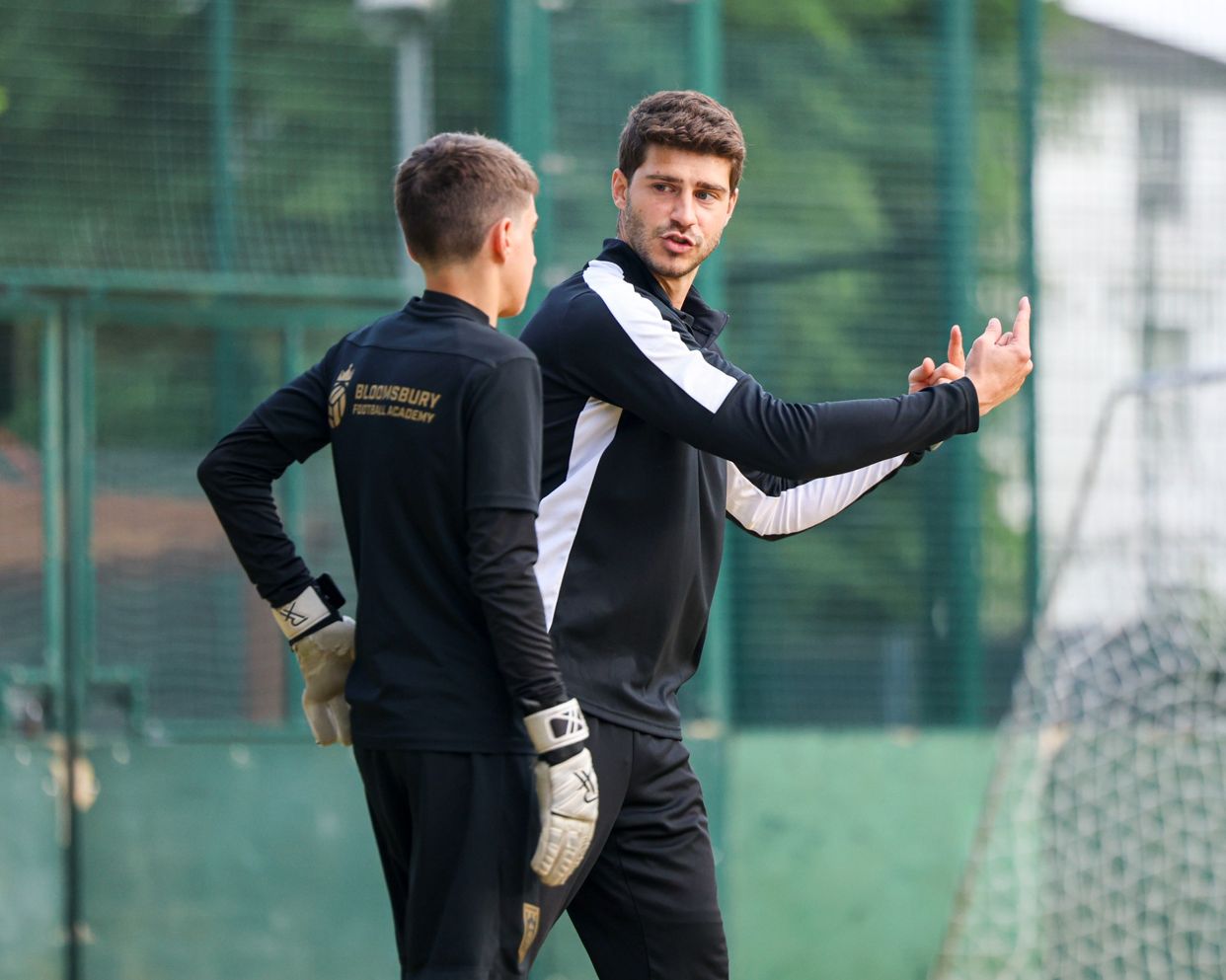
This is Charlie, our founder. He’s a lifelong Arsenal fan, North London born and bred.
Those first visits to Highbury and kickabouts after school proved to him the magic of football. The passion, the community, the excitement – he was hooked.
THE MAGIC OF FOOTBALL
Charlie shared his love of the game with kids through coaching. He saw first-hand the positive difference playing football was making for his players.
They became not only physically healthier, but were making new friends and becoming more confident and happier – all by playing football regularly.
That’s the magic of football. But, Charlie saw a problem.
THE SAD REALITY
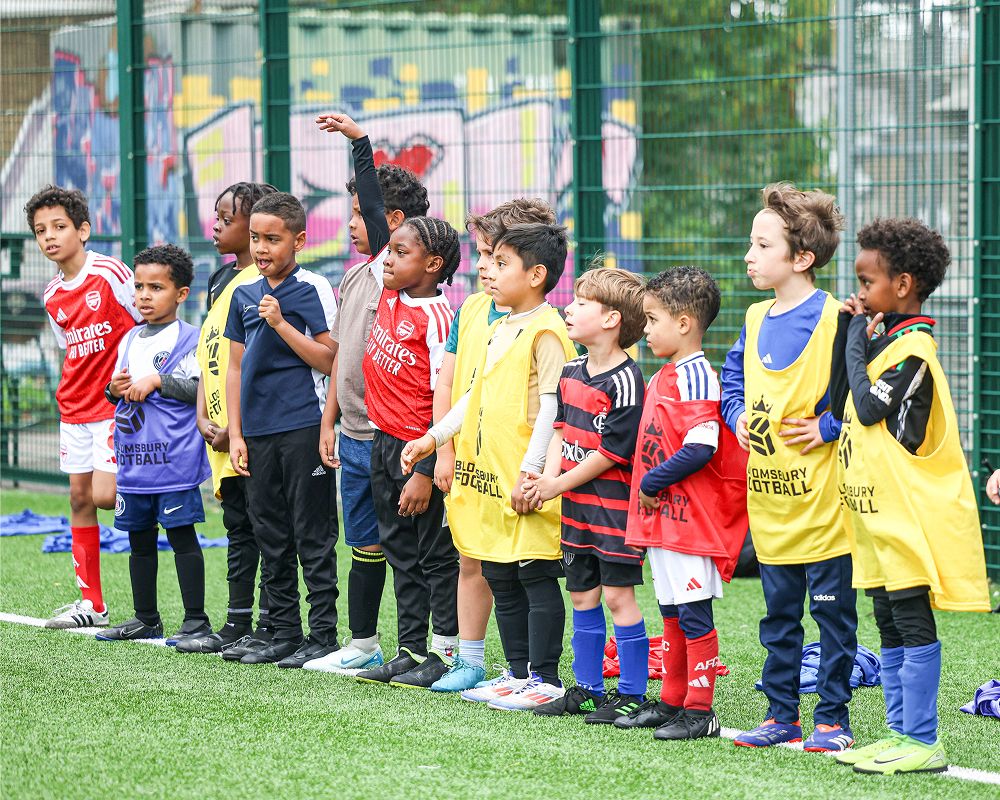
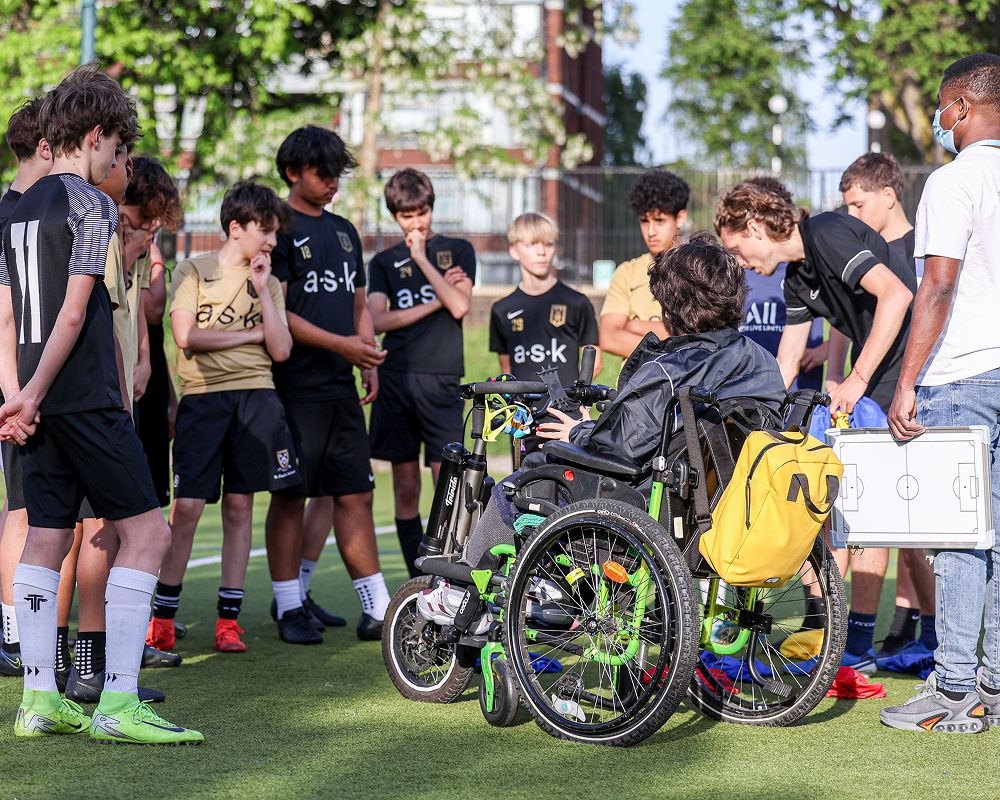
The simple fact is not everyone has equal access to a football pitch. Barriers like the growing cost of kit and coaching, the lack of weather resilient facilities and poorly organised sessions still prevent young people from participating in organised football.
And when kids can’t access the uniquely life changing power of football, we all lose out.
BREAKING BARRIERS TOGETHER
That’s why Bloomsbury Football Foundation was born. One simple aim: to make the magic football accessible and affordable for any young Londoner that wanted to play.
Charlie coached the first ever Bloomsbury session himself on a pitch in Camden Town. Four players attended – two paid, two did not. The ethos that no player will be turned away has stayed ever since.

IN 2026 AND BEYOND
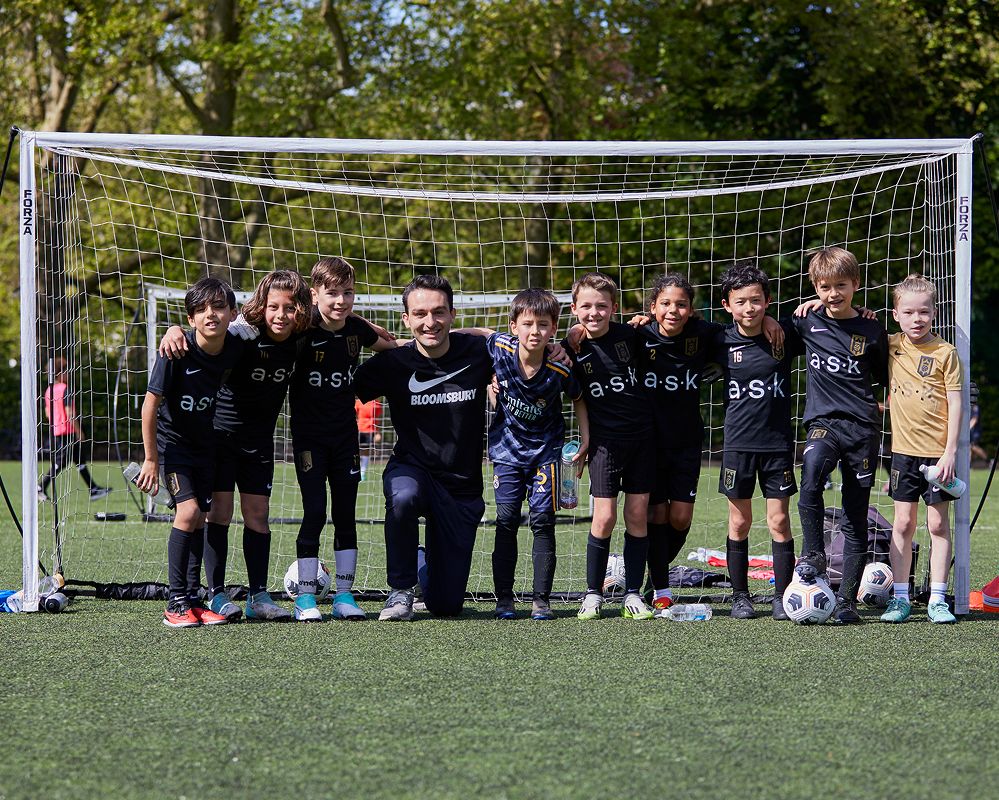
Bloomsbury Football has grown a lot since that first session. Now, we run sessions across nine London boroughs and are immensely proud to coach over 6,000 boys and girls every single week.
Every single one of those players can apply for financial support, meaning 25-100% discounts off our programmes – part of our commitment to make football accessible for everyone.
Football teams are very expensive to join. Bloomsbury's financial support helped us out and I couldn't be more ecstatic about everything!
Parent with financial support

Bloomsbury have done a fantastic job in making high quality sport opportunities available to girls. They've changed the landscape for girls' sport in the capital. It's so inspiring to see so many girls smiling!
Parent, Girls’ Football Academy
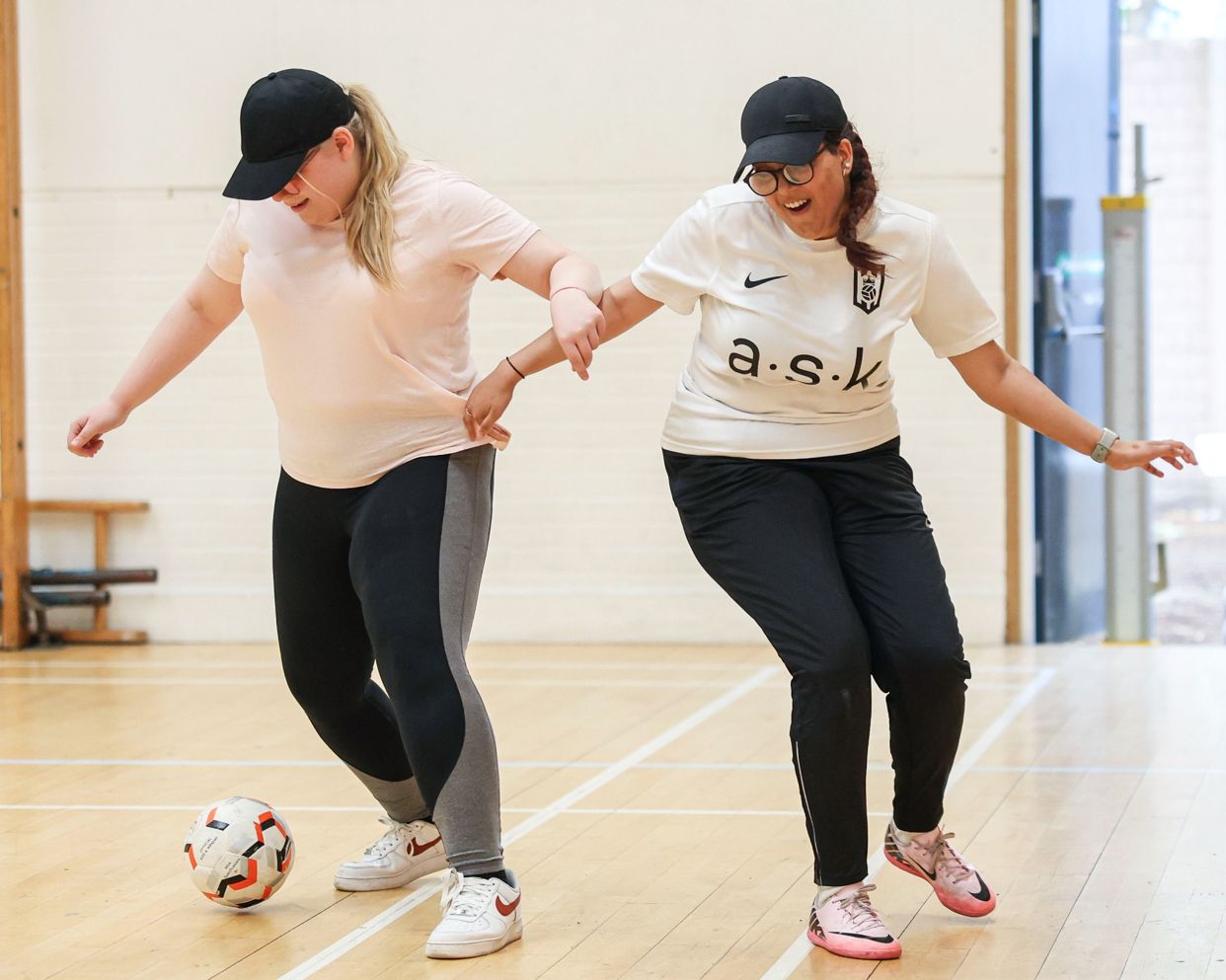
The coaches make sure all children are being accommodated, especially those others that have additional needs.
Parent, Blind Football programme
JUST THE BEGINNING
This is just the start of our journey to engage 20,000 young people a week by 2028.